Skin Cancer Myths & Misinformation
Know the Truth. Save Your Skin.
The Facts
While skin cancer rates steadily rise, skin cancer myths and misinformation are running rampant online. Unsafe tanning trends, untrue sunscreen claims and misconceptions about skin cancer have no basis in science. Worse yet, they endanger public health. We’re working to set the record straight.
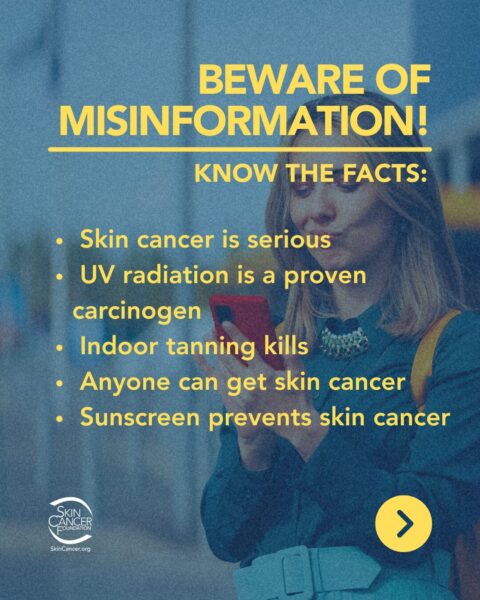
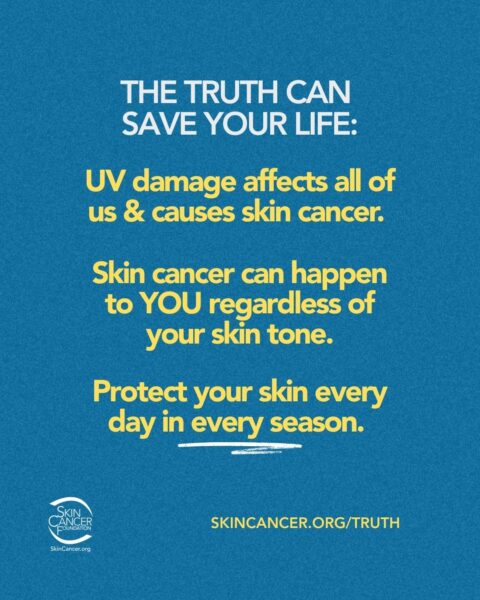
- Anyone can get skin cancer, at any age and any skin tone. Nobody is immune.
- Skin cancer is serious. It can be disfiguring, emotionally damaging and deadly.
- Ultraviolet (UV) radiation from the sun and tanning beds is a proven human carcinogen and the main cause of most skin cancers.
- A tan is proof of sun damage to your skin; it does not protect your skin from burning.
- Sunscreen prevents skin cancer. It does NOT cause skin cancer.
- Indoor tanning is especially dangerous and strongly linked to melanoma and other skin cancers.
The Risk: Why It Matters
When people believe skin cancer myths and follow dangerous trends, it can lead to behaviors that increase their risk of sun damage and skin cancer.
Anyone is susceptible to misinformation, but young adults are particularly vulnerable. Not only do they rely heavily on social media and AI for health information, this group is also seeing a steady rise in melanoma incidence.
- “Burn line” and “max-tanning” trends have skyrocketed among Gen Z TikTok users, who track the UV index to get a dark tan or create sunburn lines on their skin during peak intensity.
- Nearly 59 percent of adults under 35 believe tanning and sun protection myths, according to a survey by the American Academy of Dermatology.
- 25 percent of Gen Z respondents wrongly believe that staying hydrated prevents sunburn, according to a survey by the Orlando Health Cancer Institute.
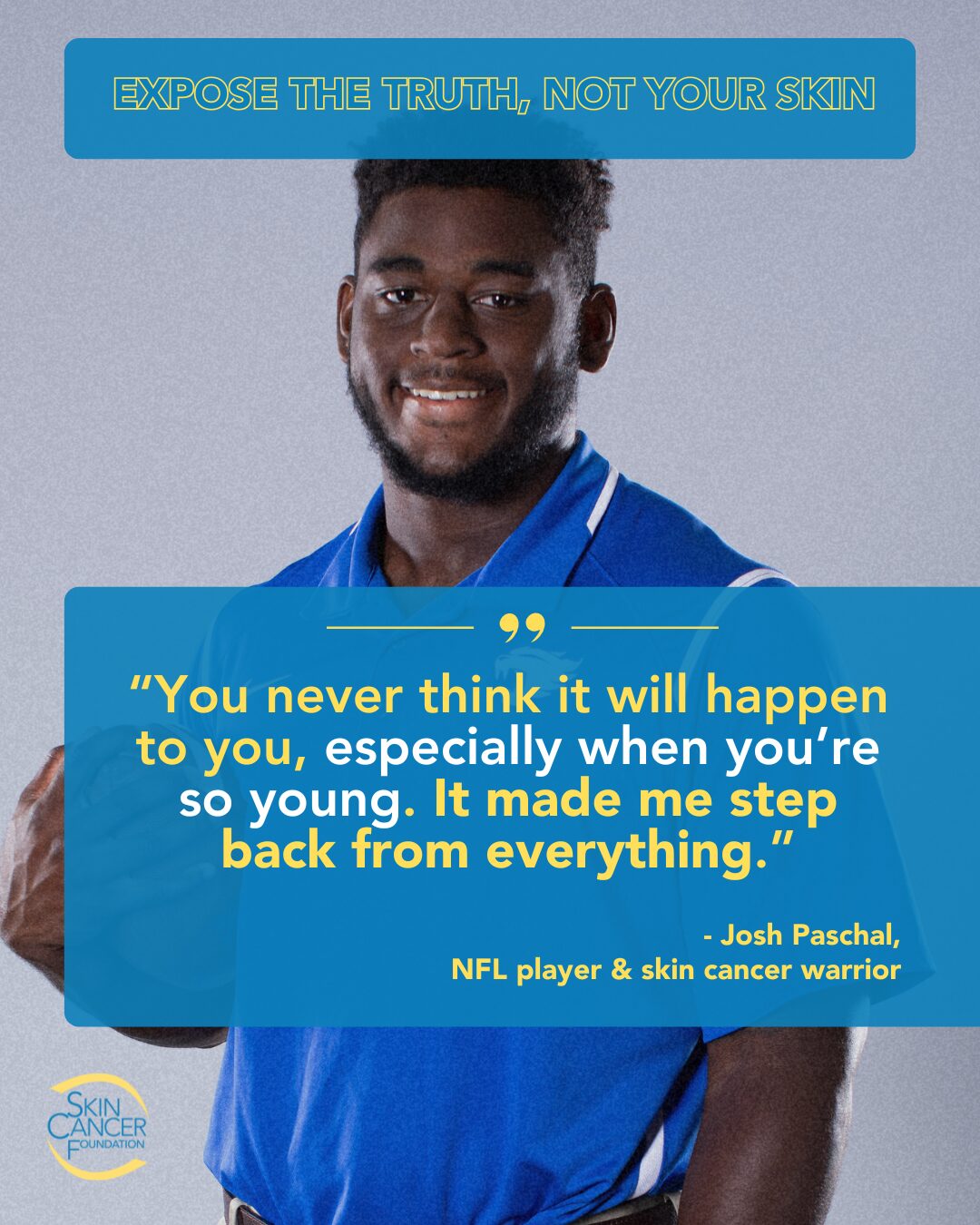
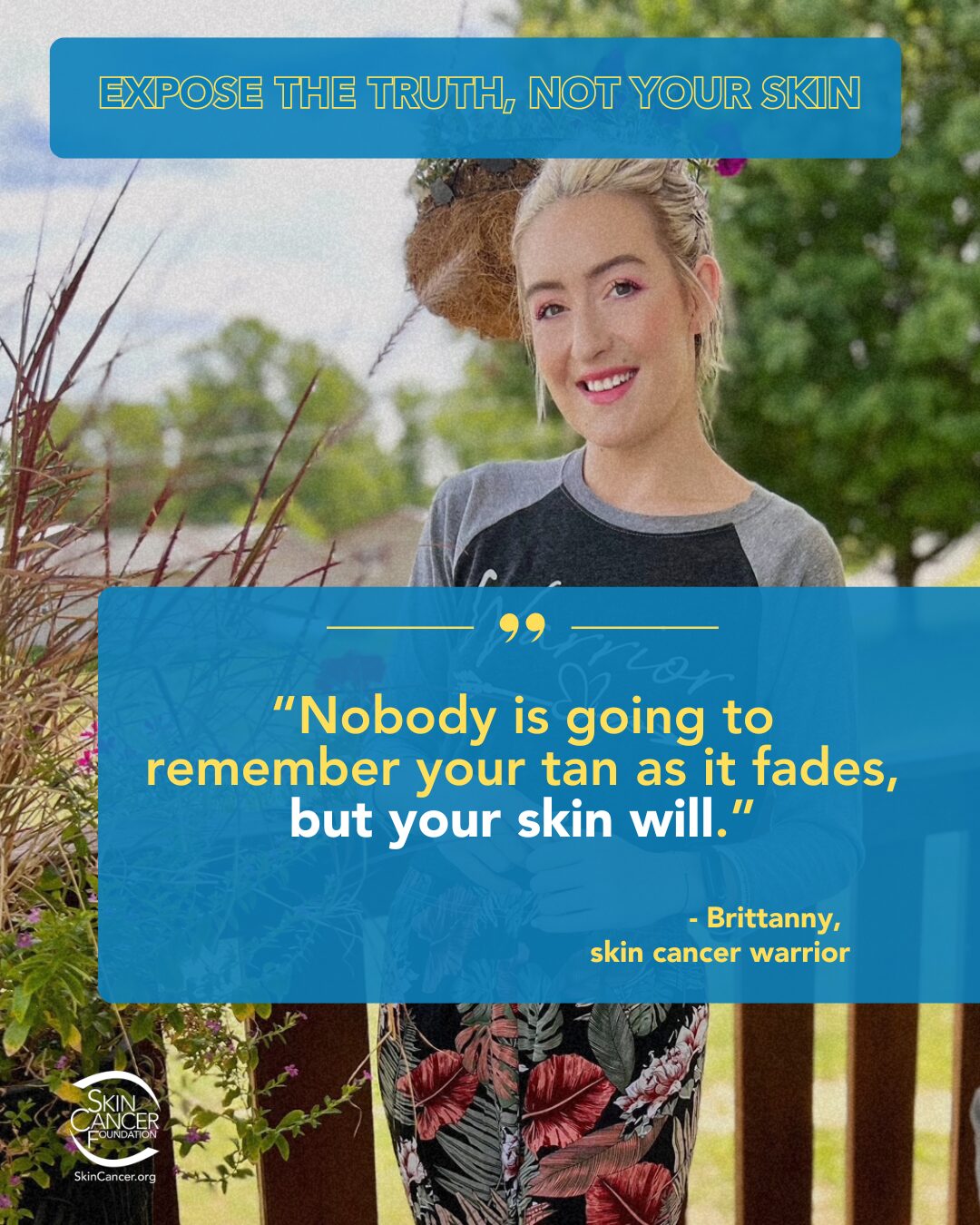
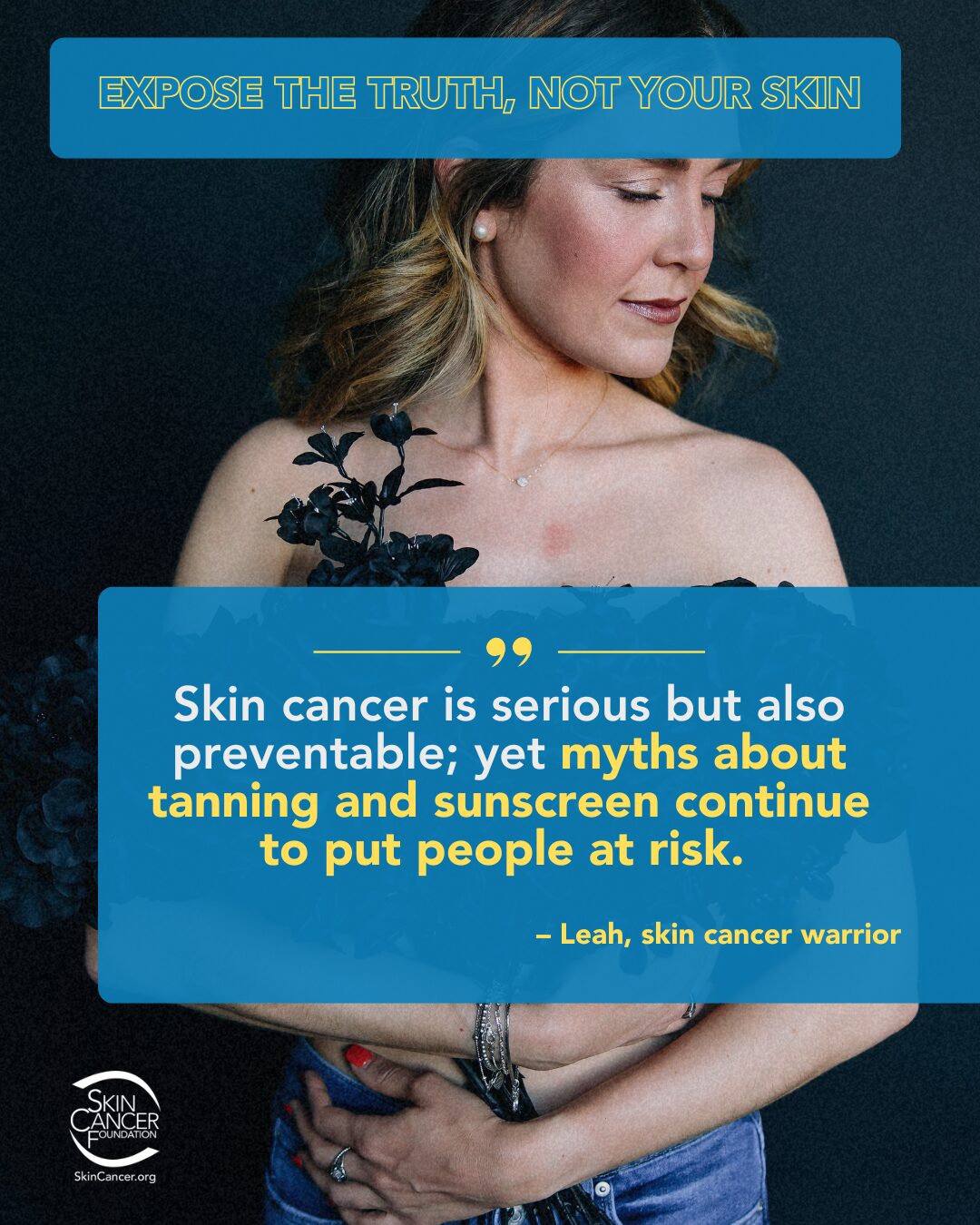
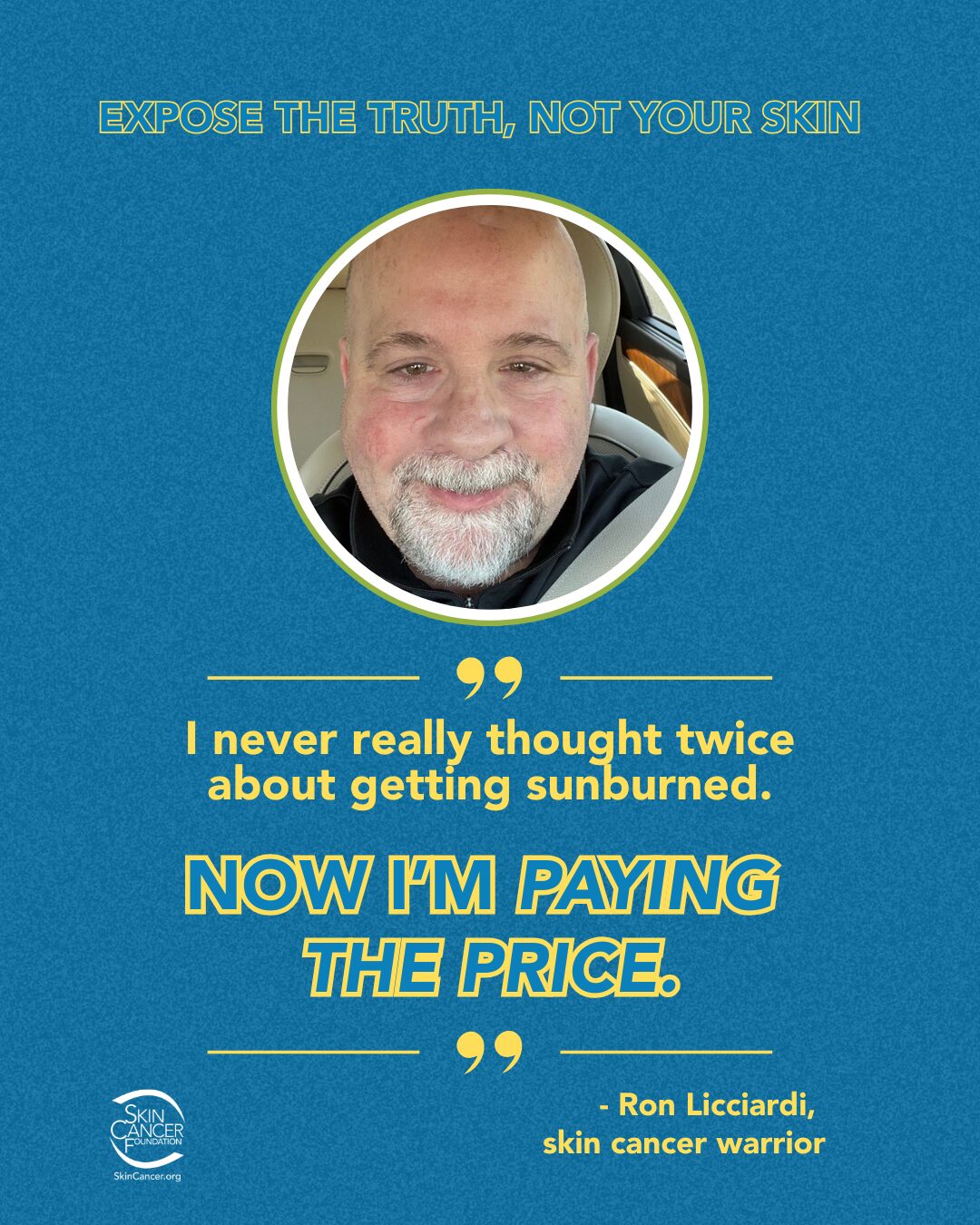
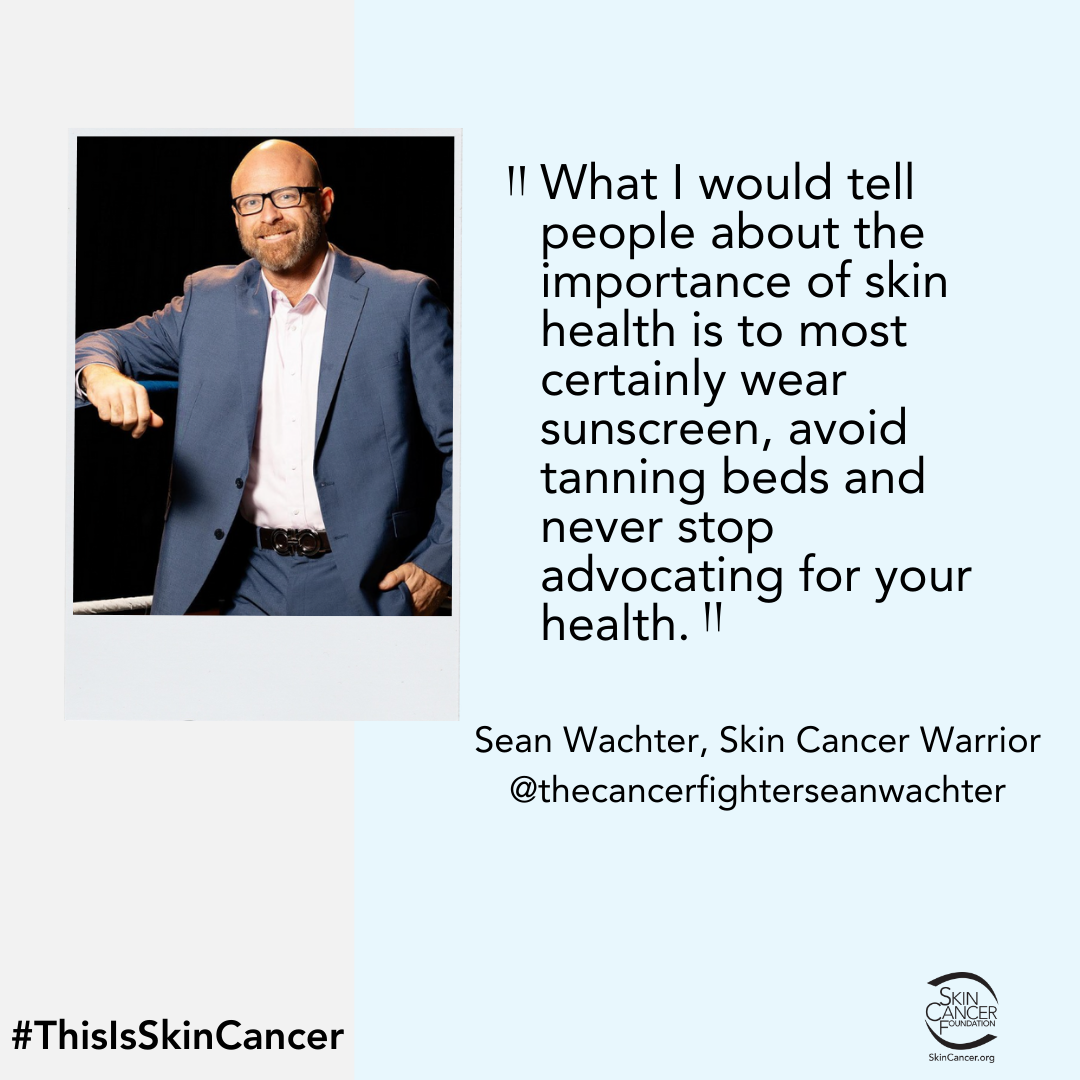
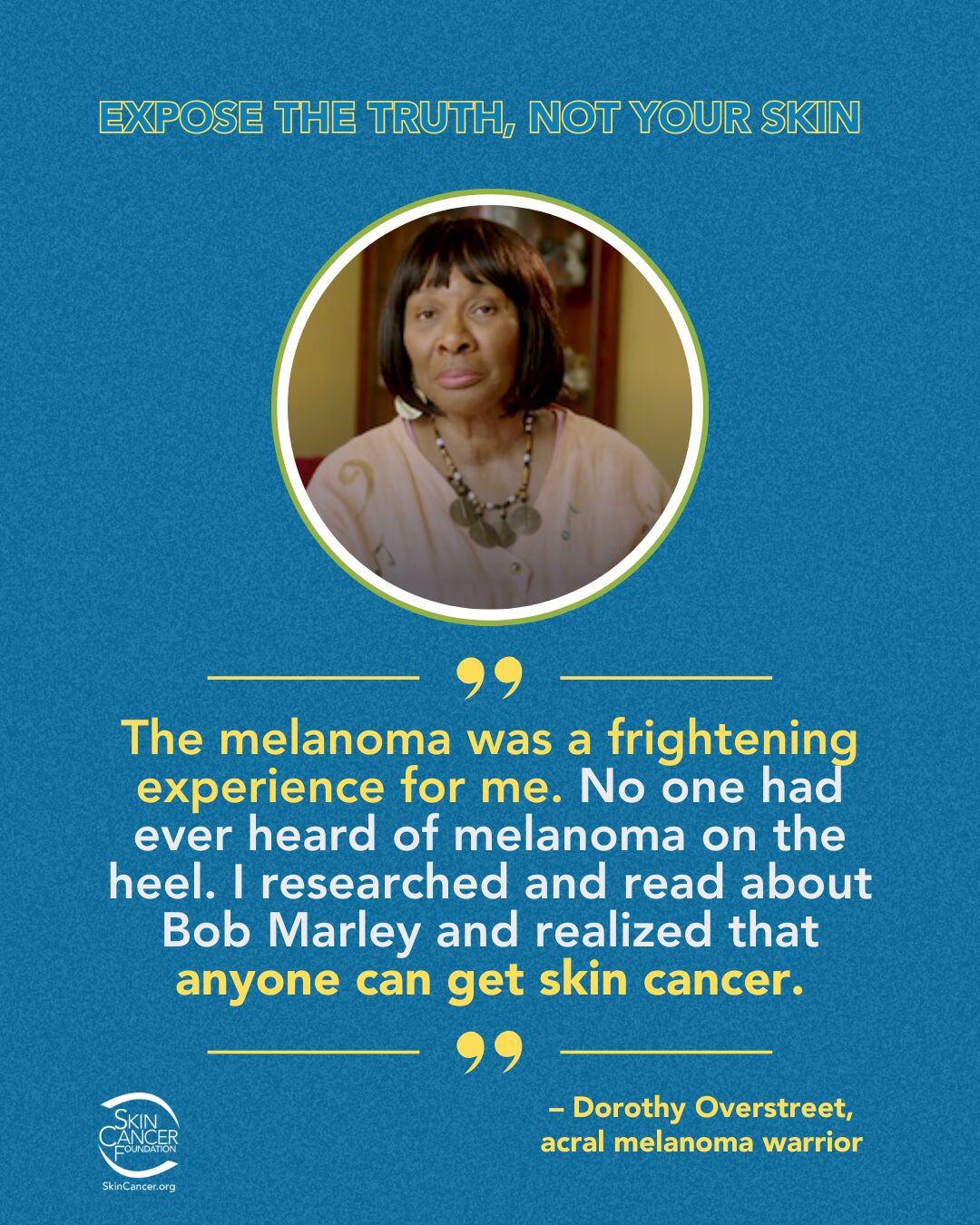
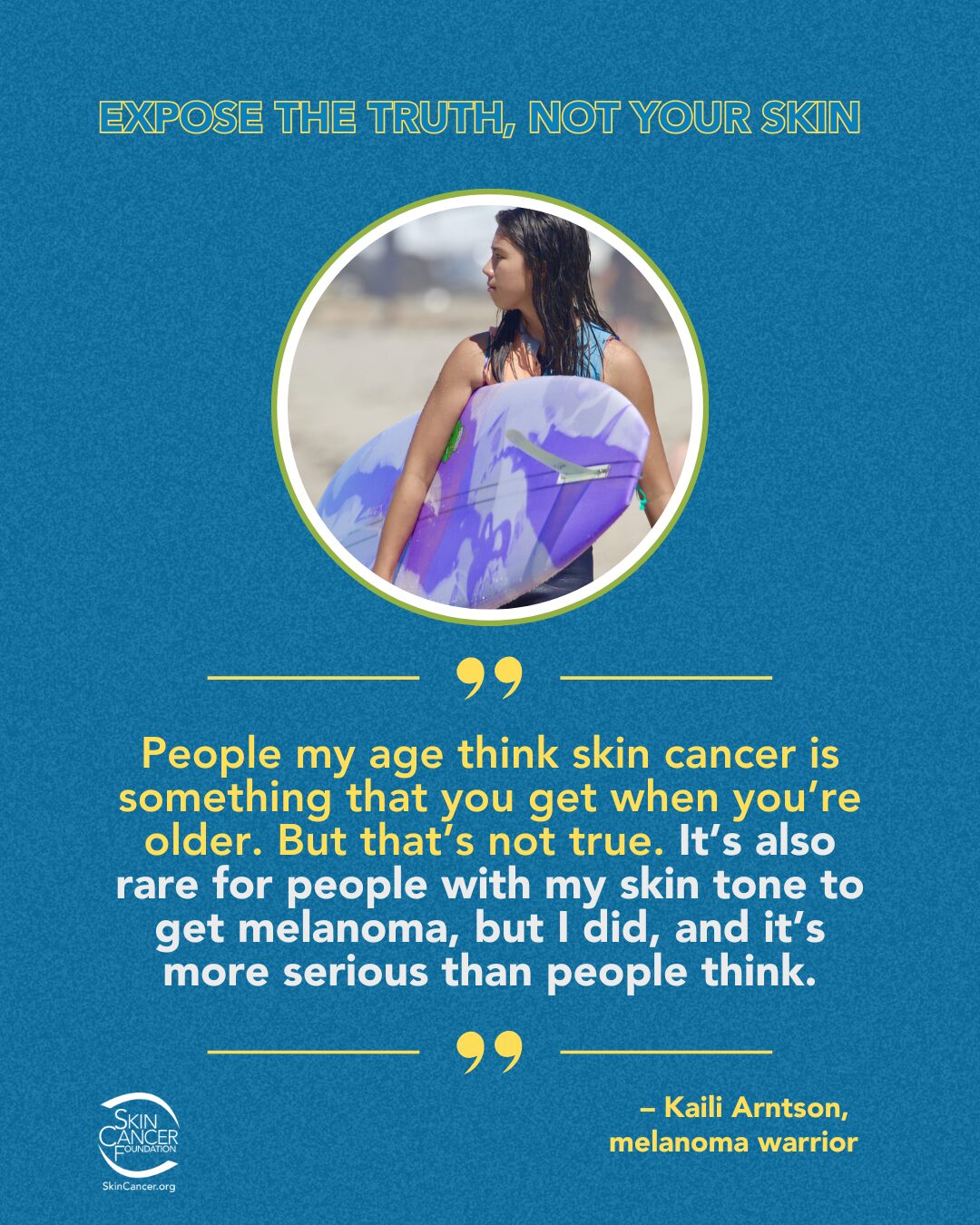
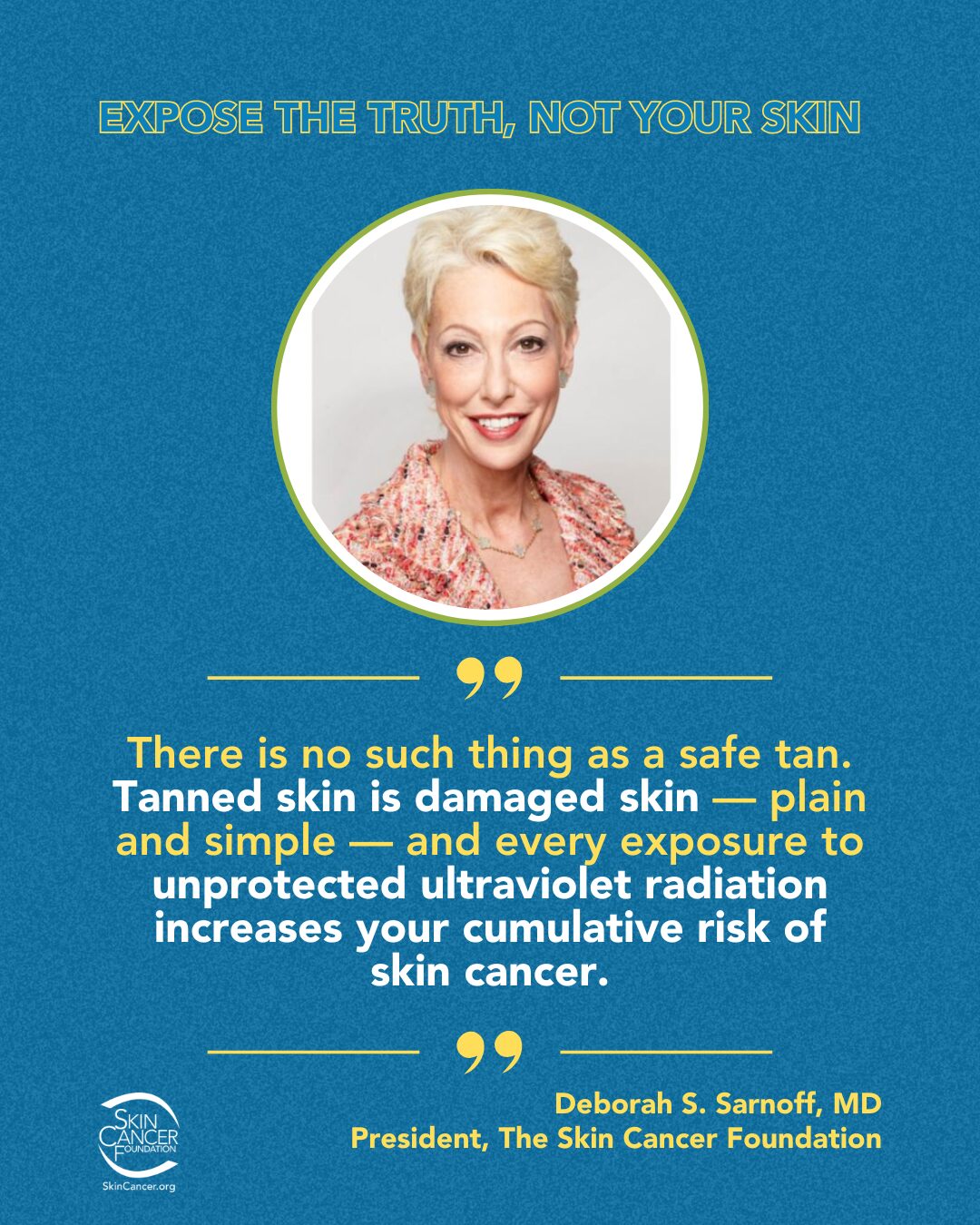
What You Can Do: Expose the Truth, Not Your Skin
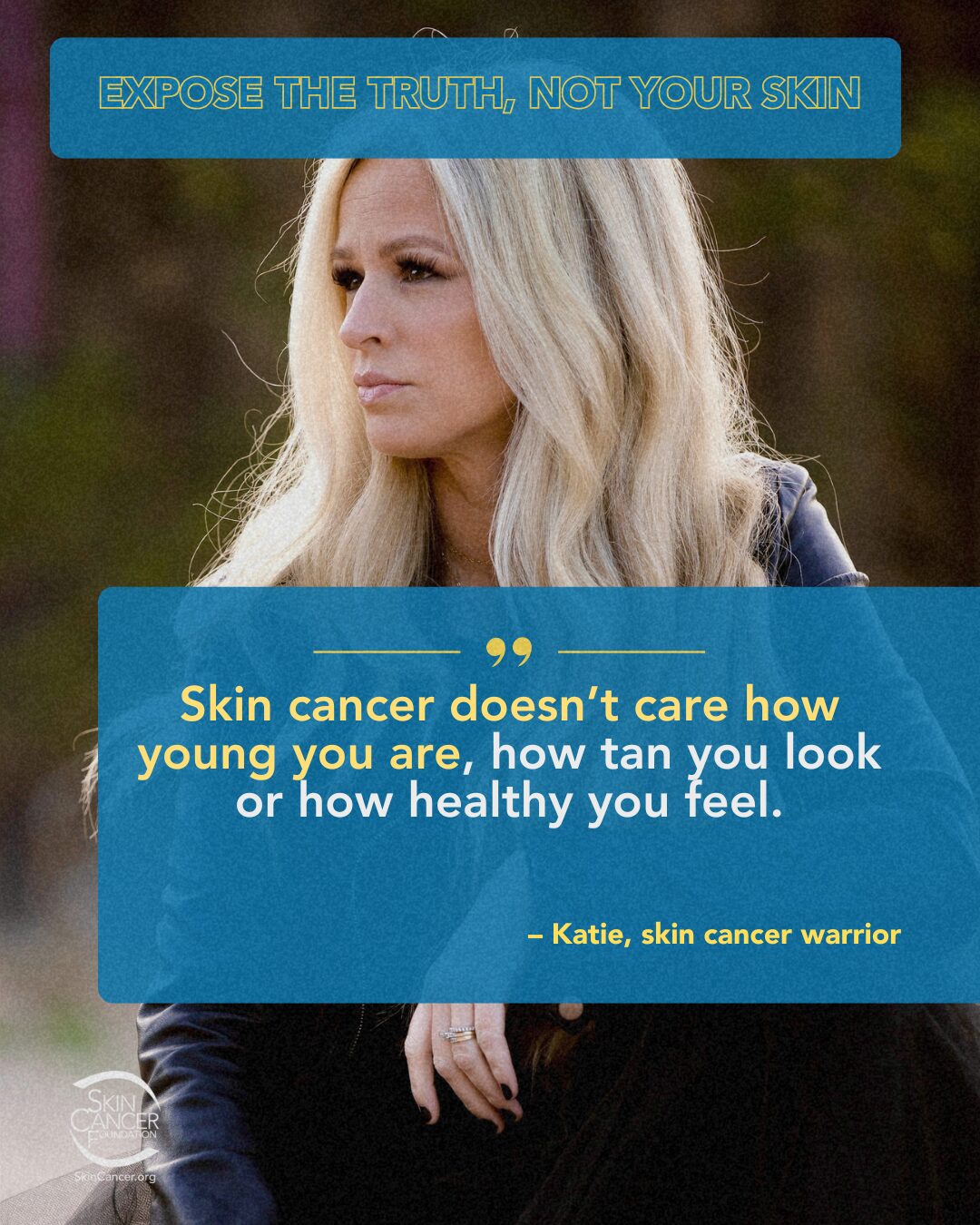
Sharing the facts about skin cancer can help save lives. Join us in the fight against misinformation. Together, we can reinforce science-based facts and debunk myths that put people at risk.
- Be a Skin Cancer Myth-Buster: Share the facts with everyone you know! Connect with us on social media for easily shareable, truthful and accurate skin cancer information.
- Fact-Check Before Sharing: Be on the lookout for claims or stats from untrustworthy sources. Visit our Skin Cancer Facts & Statistics and Skin Cancer Information pages for medically accurate skin cancer information.
- Stay Sun Smart: Protect your skin every day, year-round.
- Know Your Skin: Check it monthly for anything new, changing or unusual.
- Get Screened by a Doctor: See a dermatologist at least once a year for a full-body skin cancer screening.
Download and Share
Misinformation Q&A
Should I get a "base tan" to prevent sunburn?
No, there is no such thing as a safe tan. Tanned skin is sun-damaged skin. This damage is cumulative. Every unprotected exposure from the sun or tanning beds increases your risk of skin cancer. About 90 percent of nonmelanoma skin cancers and 86 percent of melanomas are associated with exposure to UV radiation. More info.
Are tanning beds safer than sunbathing?
Absolutely not! Indoor tanning is far more dangerous than the sun; devices can emit UV radiation in amounts 10 to 15 times more powerful than the sun at its peak intensity.
Indoor tanning increases melanoma risk. Just one indoor tanning session before age 35 can increase a person’s melanoma risk by 75 percent. Further, tanning bed use has been shown to cause DNA damage across the skin surface, far beyond what sunlight causes. More info.
Do I really need sun protection on a cloudy or cold day?
Yes, you need sun protection every day. Up to 80 percent of the sun’s UV rays can penetrate clouds. UV radiation is present year-round, and you can still get sun damage and sunburn on an overcast day. Snow reflects the sun’s UV light, so the rays hit you twice, further increasing your risk. More info.
Can the sun’s rays reach me while indoors or in my vehicle?
Yes, they can. While window glass blocks UVB rays, UVA rays can still penetrate windows and lead to skin damage. Even minimal sun exposure that occurs during daily activities like driving or sitting by a window adds up over time. More info.
If the UV index is low, do I need to protect my skin?
Yes, you should protect your skin during daylight hours all year long, regardless of your skin type or the UV index. Sun protection remains the single best method for reducing the risk of skin cancers. Note that the UV index was created to help people understand when they should avoid being outside. More info.
Can I get skin cancer on skin that is not exposed to the sun?
Yes, a type of melanoma known as acral lentiginous melanoma develops on the palms of the hands, soles of the feet and under fingernails (subungual). Skin cancers can also develop inside the mouth or on genital areas.
Can young people get skin cancer?
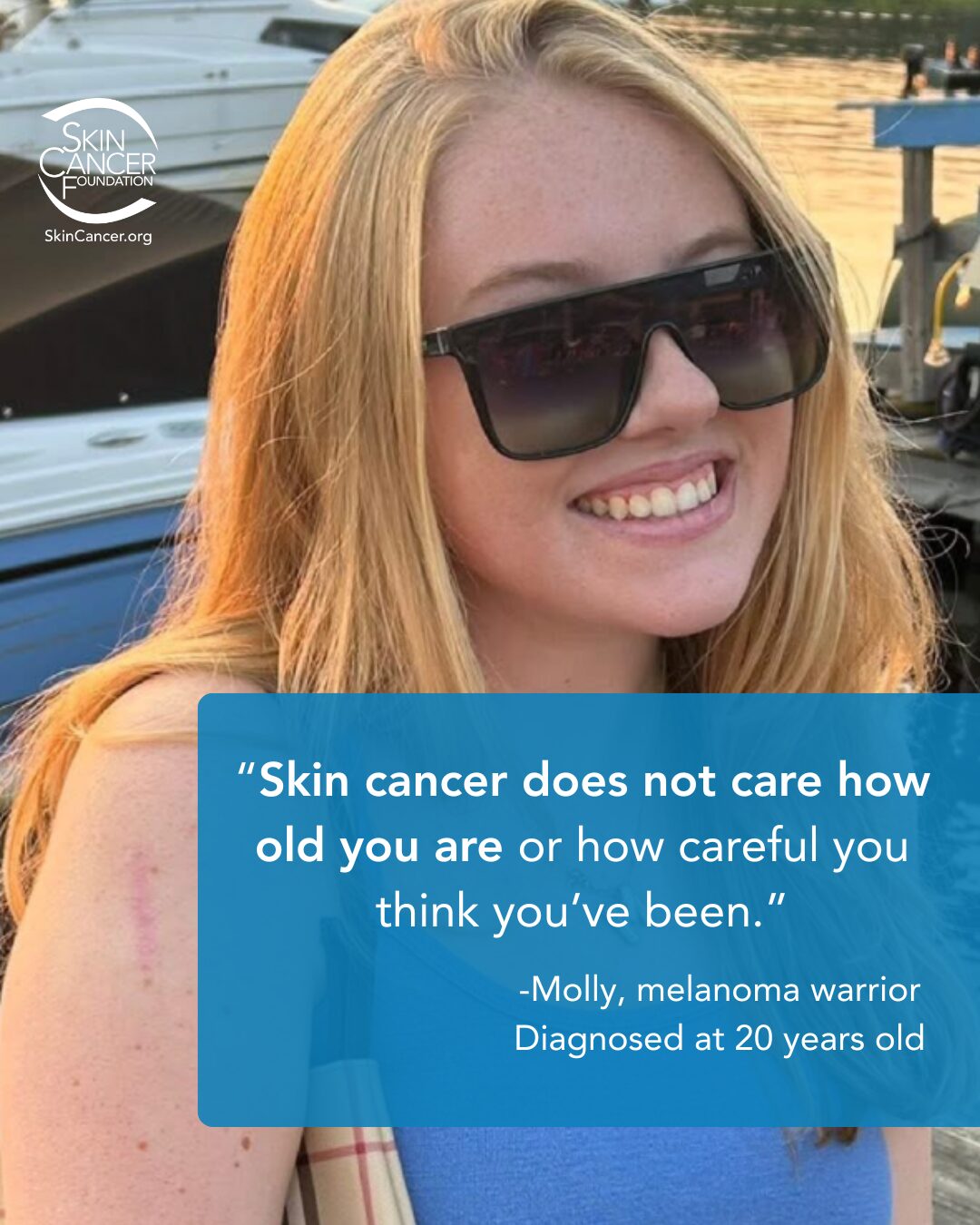
Yes, skin cancer can affect people of any age. In fact, melanoma is one of the most common cancers diagnosed in young adults. Women age 49 and under are more likely to develop melanoma than any other cancer, except breast and thyroid cancers. And men age 49 and under have a higher probability of developing melanoma than any other cancer except colon and rectal cancers. More info.
Can people of color get skin cancer?
Yes, skin cancer can affect anyone, of any skin tone. For people of color, skin cancer is often diagnosed later, when it is harder to treat. As a result, the prognosis is worse. There’s a lower public awareness of the risk of skin cancer among individuals of color and for health-care providers, often a lower index of suspicion for skin cancer in patients of color. More info.
Do I need to build my solar callus to get enough vitamin D?
Absolutely not! There is no such thing as a solar callus; it is a made-up term. While you can obtain a limited amount of vitamin D from the sun’s UV rays, the relationship between UV exposure and skin cancer is well documented and significant. The risks of unprotected sun exposure far outweigh any benefits. Instead of damaging your skin, get your vitamin D from sources like oily fish, fortified dairy products and cereals, and supplements. More info.
Do I really need to reapply sunscreen?
Yes, you must reapply sunscreen frequently to protect your skin. Reapply broad- spectrum sunscreen with an SPF of 30 or higher at least every two hours, or more often if you are swimming or sweating. More info.
Does using sunscreen completely protect me from skin cancer?
No, sunscreen alone does not protect you completely. Sunscreen is a key part of a broader sun protection strategy that also includes wearing protective clothing and seeking shade, especially during peak sun hours. More info.
Can sunscreen cause skin cancer?
No, this claim is false; there is no evidence that sunscreen causes cancer. Sunscreen has convincingly been demonstrated to prevent skin cancer. Further, we have abundant evidence that UV radiation from the sun and tanning beds is a main cause of most skin cancers. UV radiation is a proven Group 1 carcinogen. More info.
Do sunscreens contain benzene?
No, benzene is not normally found in sunscreen. Several years ago, some sunscreen and aerosolized personal care products were recalled due to benzene levels. These products were likely contaminated during the production process. Benzene is not intentionally added to sunscreen products. More info.
Is skin cancer serious?
Yes, skin cancer is serious, and can be disfiguring and deadly. Melanoma, its most aggressive form, causes the majority of skin cancer deaths. When caught early, most skin cancers are highly treatable. More info.
Can coconut oil or beef tallow protect my skin?
No, homemade sunscreens made from beef tallow or coconut oil are not safe, do not offer effective sun protection and should not replace sunscreen. Applying oil to your skin instead of sunscreen is harmful. Depending on the main ingredient, oils provide either zero protection from ultraviolet (UV) radiation, or very low protection – tanning oils typically have an SPF 8. These oils cannot replace FDA-approved sunscreens. Using them can raise the risk for DNA damage, skin cancers and photoaging. More info.
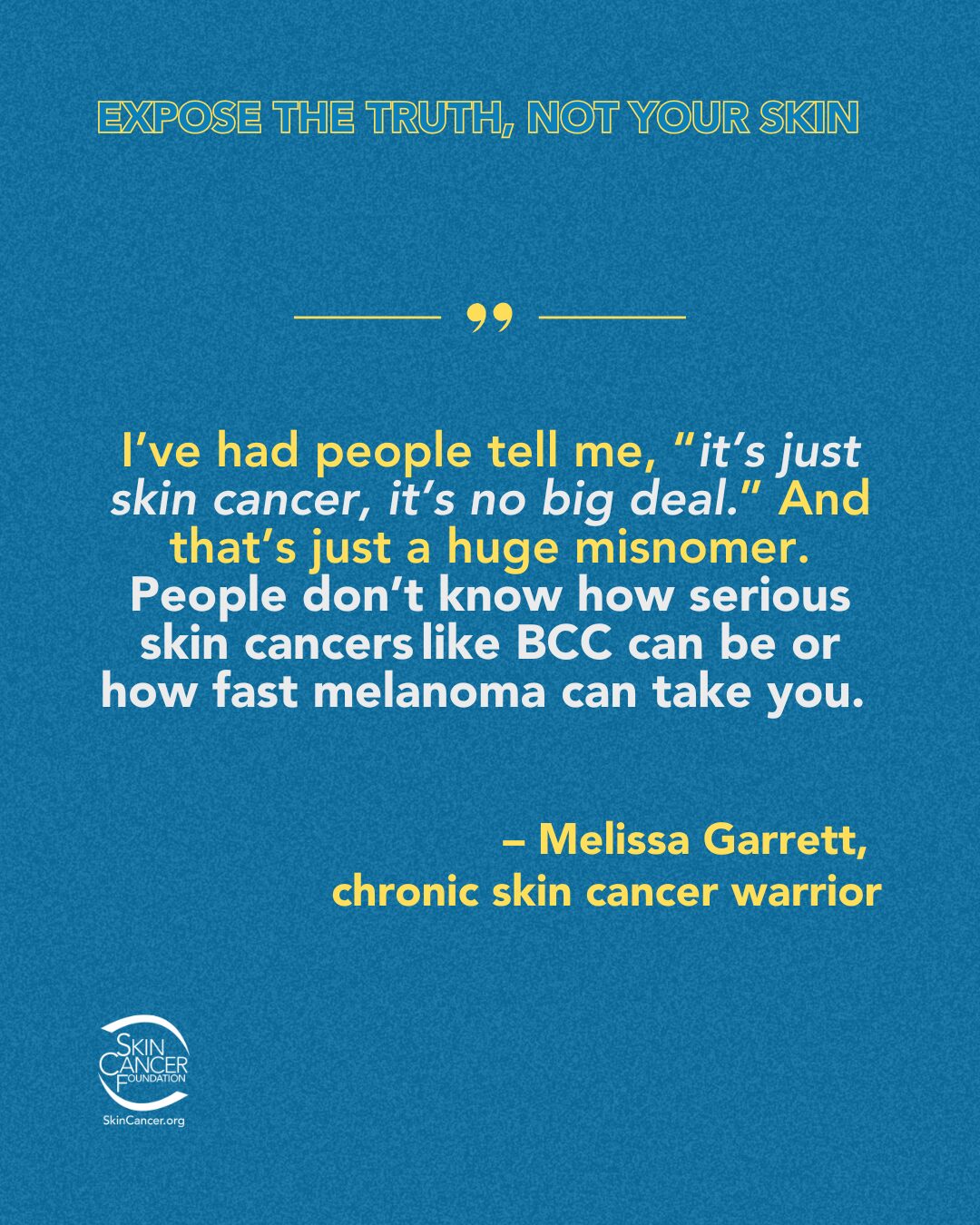
Survivors Speak Out
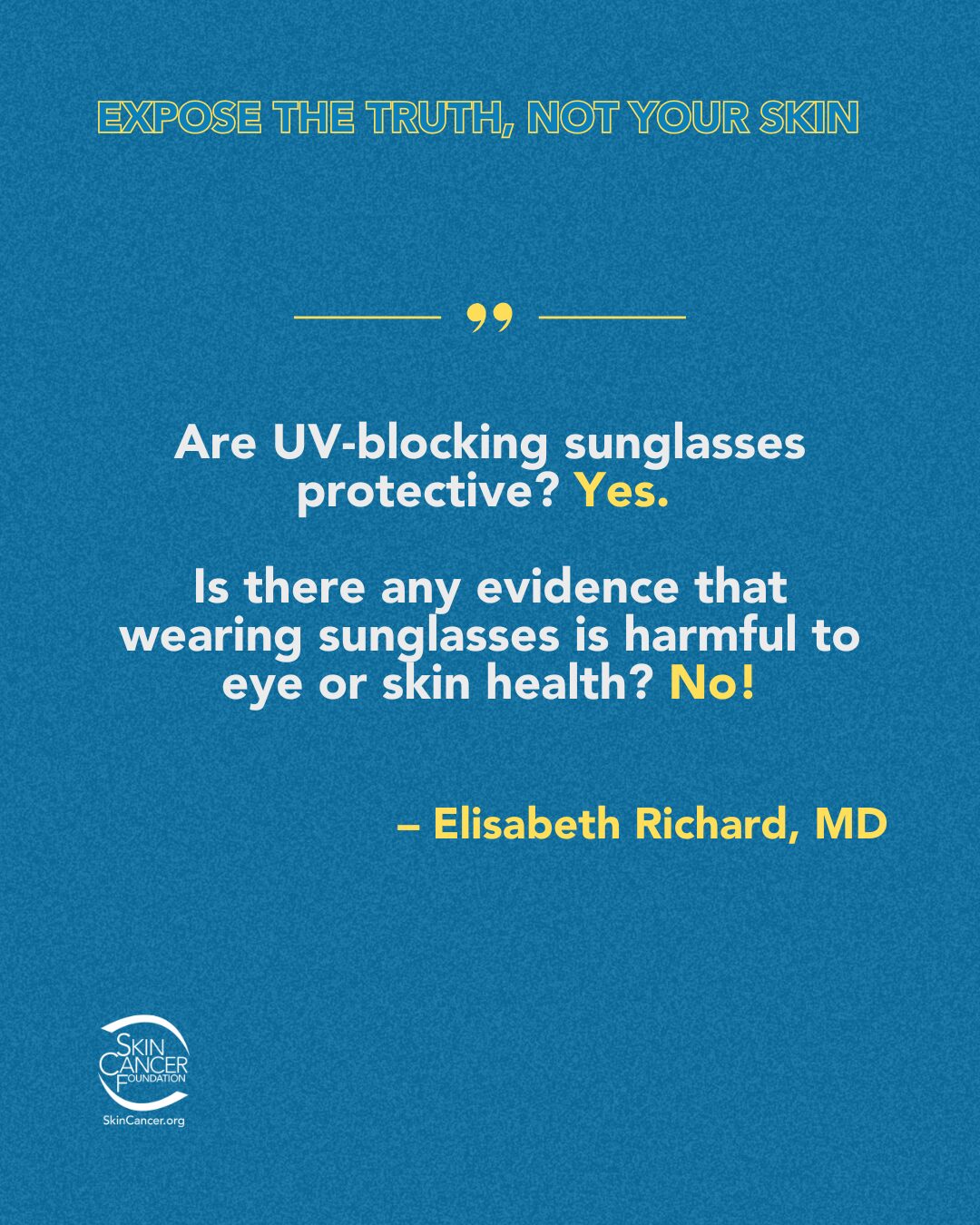
Physicians Speak Out
How Misinformation Spreads
How and why has misinformation surged in recent years?
Influencers: Social media health and wellness influencers have gained popularity. With the press of a button, their posts reach millions of devoted fans with lightning speed, shaping opinions and behaviors in powerful ways.
Some influencers share verified, accurate information. Others do not. Separating fact from fiction can be difficult.
Platform Algorithms: Short, visually appealing videos on TikTok and Instagram often prioritize engagement over accuracy, leading to dangerous trends and the rapid spread of false information.
Psychology: As more people view and share misinformation, doctors are seeing an increase in a phenomenon known as the illusory truth effect. “The repetition of false claims increases belief in those claims,” states an article by the American Psychology Association.
The Truth Can Save Your Life
When it comes to skin cancer, knowing the truth can save your skin, and possibly your life. As misinformation continues to spread, sharing the truth about skin cancer has never been more crucial. We are here to help, and you can be part of the solution.
Related content: